When you curate a personalized gift basket, you’re not just assembling items—you’re weaving a story that the recipient will cherish. Yet even the best stories can have a plot twist: a return. Knowing how to handle returns for personalized gift baskets keeps your business afloat, your customers satisfied, and your brand reputation intact. Let’s unpack the process, from drafting a clear policy to turning a return into a chance for growth.
Understanding the Return Landscape
Returns are inevitable, especially when you’re dealing with customized products. Unlike generic items, a personalized basket carries a higher emotional value, so the stakes are higher.
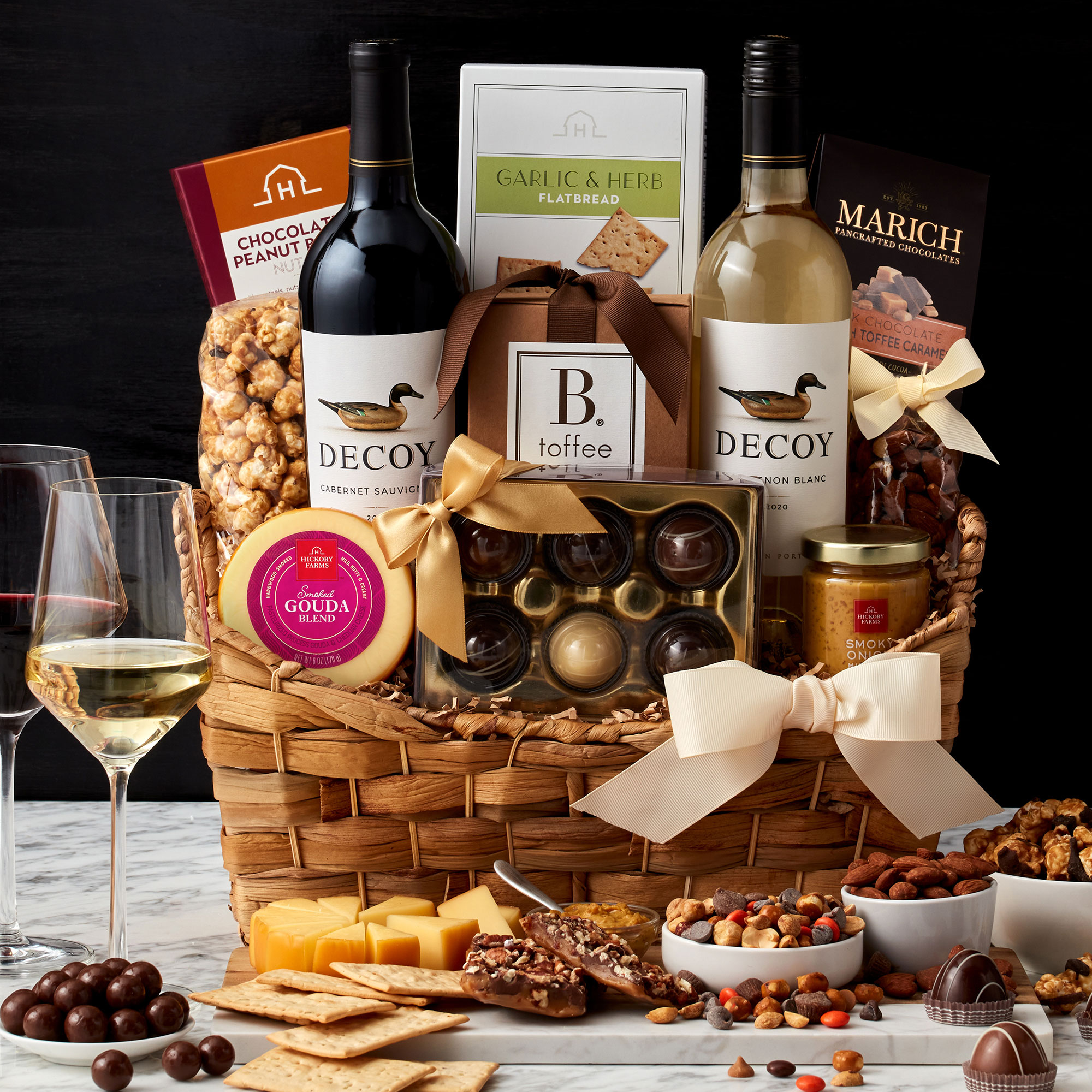
White wine gift basketsWhy Returns Happen
- Miscommunication about the customization details. Quality issues with one or more items. Size or quantity mismatches—perhaps the basket is too big for the recipient’s space. Change of mind—the recipient decides they want something else.
Anecdote: I once met a boutique owner, Maya, who said, “I thought I’d nailed the perfect basket for her client, but the client wanted a different color scheme.” Maya’s lesson? Even a single misstep can trigger a return, and that’s where a solid policy saves the day.
The Business Impact
- Cost of restocking: You may need to refurbish or replace items. Shipping fees: Return shipping can eat into profit margins. Customer trust: A smooth return process can turn a potential complaint into loyalty.
Crafting a Clear Return Policy
A well‑written policy is the first line of defense against confusion. It should be as easy to read as a recipe card.
Keep It Simple
- Time frame: “Return within 30 days of delivery.” Condition: “All items must be unused, with original packaging.” Refund method: “Full refund to the original payment method.”
Use Plain Language
Avoid legalese. Think of your policy as a friendly guide, not a courtroom drama. A quote that fits perfectly: “The bitterness of poor quality remains long after the sweetness of good service.” – This reminds us that clarity in service can offset any product hiccup.
Visibility
Place the policy on:
- Your website’s FAQ page. The order confirmation email. The packaging itself (a small card inside the basket).
Rhetorical Question
Do you want customers to feel like they’re stepping into a maze when trying to return a gift? A clear policy keeps them on the straight path.
Packaging and Shipping Considerations
The way you package a personalized basket can be the difference between a return and a repeat customer.
Protective Yet Elegant
- Sturdy boxes: Use double‑wall cartons for heavier baskets. Padding: Foam peanuts or recycled paper protect fragile items. Branding: Add a thank‑you card that explains the return process.
Shipping Labels
- Pre‑paid return labels: Offer them in the packaging. “If the basket isn’t right, we’ll pick it up for free.” Tracking: Both parties can monitor the return journey.
Metaphor
Think of your packaging as a sturdy ship sailing through stormy seas—protecting your treasure (the basket) until it reaches its destination safely.
Communicating with Customers
Open communication turns a potential frustration into a delightful experience.
Proactive Outreach
- Pre‑delivery email: Confirm the customization details. “Is this the right scent? Let me know before we ship.” Post‑delivery follow‑up: “Did the basket bring joy? We’d love your feedback.”
Handling Return Requests
- Prompt response: Reply within 24 hours. Empathy: Acknowledge their feelings—“We’re sorry it didn’t meet your expectations.” Clear instructions: Provide step‑by‑step return steps.
Bullet Point Example
When a customer initiates a return:
- Step 1: Email us the order number. Step 2: Print the prepaid label. Step 3: Pack the basket securely. Step 4: Drop it off at the nearest courier.
Handling Exceptions and Special Cases
Not every return is the same. Some require extra care.
Custom Items
- Made‑to‑order: If the item is truly bespoke, you might offer a replacement instead of a refund. Limited‑edition: Offer a discount on the next purchase.
Gift Wrapping
If the wrapping is damaged but the contents are fine, consider a partial refund or a free replacement of the wrapper.
Seasonal Items
Return policies for holiday‑specific baskets may differ. Clarify these nuances in your policy.
Learning from Returns: Continuous Improvement
Every return is a data point. Treat them as a feedback loop.
Analyze Patterns
- Common complaints: Wrong color, missing item, quality issues. Frequency: Are returns clustering around a particular supplier?
Act on Insights
- Supplier renegotiation: If a vendor consistently delivers defects, consider alternatives. Process tweaks: If packaging is a frequent issue, invest in better materials.
Rhetorical Question
Wouldn’t you love to turn a return into a secret weapon for your brand? By learning from each case, you strengthen your product and process.
The Perfect Gift Awaits
When you master how to handle returns for personalized gift baskets, you’re not just mitigating risk—you’re building trust. A smooth return experience can turn a one‑time buyer into a loyal advocate. Keep your policies clear, your packaging robust, and your communication open, and you’ll find that returns are just a small detour on the road to gifting success.
Ready to Client appreciation baskets refine your return strategy? Start by reviewing your current policy, adding a prepaid return label, and training your team to respond with empathy. The next time a customer sends back a basket, they’ll feel like they’re sailing in a well‑charted harbor, confident that the journey will end happily.